

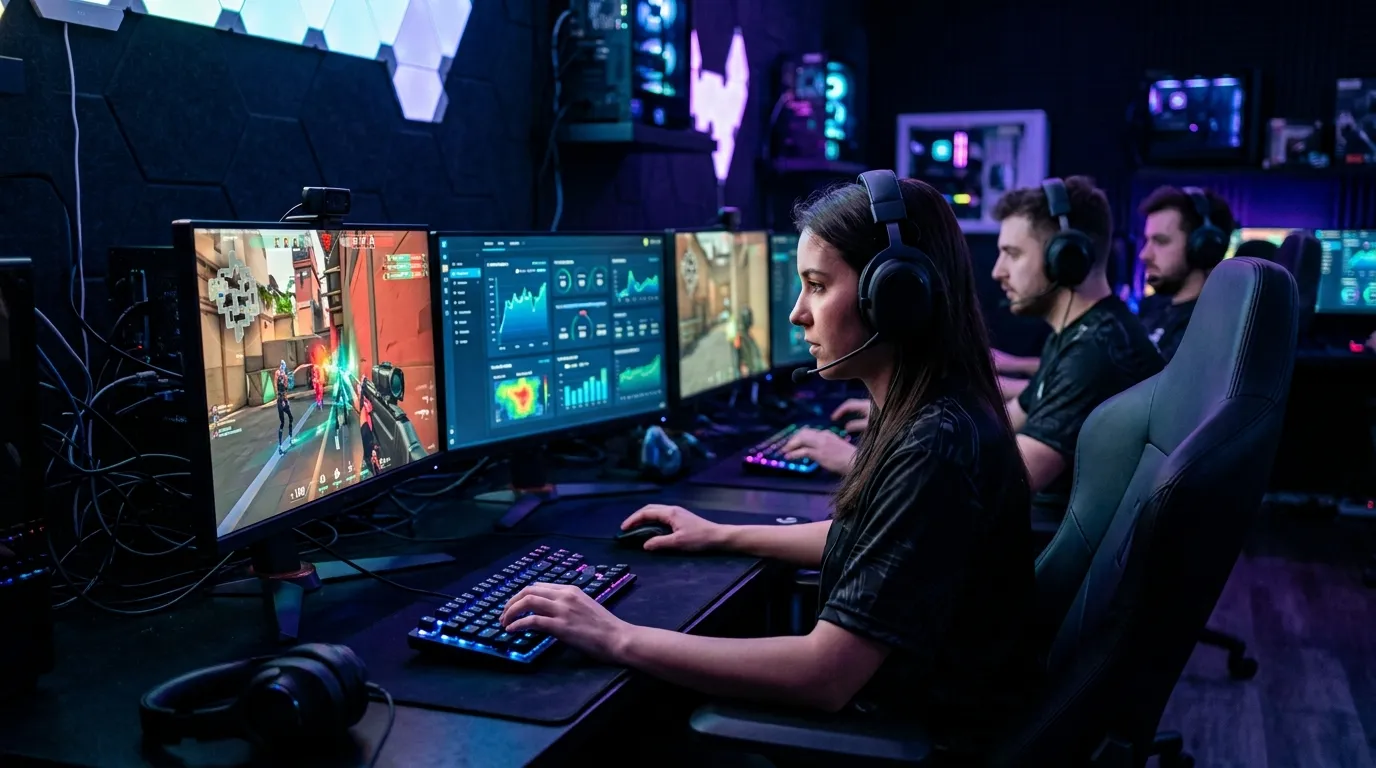
Competitive gaming has changed a lot over the last two decades. Fast internet, better gaming hardware, cloud services, and artificial intelligence have turned esports into a global industry.
Today, millions of people watch professional tournaments, while players use advanced tools to improve their skills and compete at the highest level.
The term Tech Etruesports is often linked with the technology that supports modern esports. It also appears in the names of gaming websites that share esports news, technology updates, hardware reviews, and gaming guides.
Because of this, many people search for the term to learn how technology is shaping competitive gaming and what trends are driving the industry forward.
In this guide, I explain the technologies behind esports, the games leading the industry, and the innovations changing how players compete, practice, and connect with fans.
What Is Tech Etruesports?
Tech Etruesports is a term commonly used to describe the connection between technology and competitive gaming.
It covers the tools, software, hardware, and online services that help players, teams, tournament organizers, and fans enjoy a better esports experience.
Today, esports depends on much more than skilled players. High-performance computers, cloud platforms, fast internet connections, live streaming services, and data analysis all work together to create fair and exciting competitions.
These technologies also help teams study gameplay, improve strategies, and reach audiences around the world.
As I explored this topic, one thing became clear. Tech Etruesports is not about a single technology. It represents the growing role of digital innovation across every part of competitive gaming.
The Growth of Technology in Esports
Esports started with small gaming competitions, but technology has helped it become a global entertainment industry.
Early tournaments depended on local area networks and basic gaming equipment. Today, players compete online with low-latency servers, powerful gaming systems, and millions of viewers watching live.
The industry has grown quickly over the past decade. Global esports revenue exceeded $1.8 billion in 2025, driven by sponsorships, media rights, advertising, and publisher investments. \At the same time, major tournaments now attract millions of online viewers, making esports one of the fastest-growing forms of digital entertainment.
Core Technologies Behind Modern Esports
Modern esports relies on several technologies working together. Each one improves gameplay, competition, and the overall player experience.
- Artificial Intelligence (AI): Helps analyze gameplay, detect cheating, and provide performance insights.
- Cloud Gaming: Lets players access games without relying only on expensive local hardware.
- High-Speed Internet: Reduces latency and creates smoother online matches.
- Anti Cheat Systems: Detect unfair gameplay and protect competitive integrity.
- Cross Platform Gaming: Allows players using different devices to compete together.
- Live Streaming Technology: Delivers tournaments to global audiences through platforms like Twitch and YouTube Gaming.
These technologies continue to improve every year, making esports more competitive, accessible, and enjoyable for players and viewers alike.
Popular Games Driving the Esports Industry
Competitive gaming continues to grow because of games that attract large communities, professional leagues, and international tournaments. Each title offers a different style of competition while encouraging constant innovation.
- League of Legends: One of the world’s largest esports titles with annual World Championship events watched by millions.
- Counter Strike 2: Known for tactical gameplay, fast reactions, and long-standing international tournaments.
- Valorant: Combines precise shooting with unique character abilities, making it one of the fastest-growing esports games.
- Dota 2: Famous for deep strategy and The International, which has awarded prize pools worth tens of millions of dollars over the years.
- Fortnite: Popular for battle royale competitions and creator-driven esports events.
- PUBG: Continues to host regional and global tournaments across PC and mobile platforms.
- Apex Legends: Focuses on team coordination and fast-paced battle royale action.
- Rocket League: Mixes football with rocket-powered cars, creating an easy-to-watch competitive format.
- EA Sports FC: Brings traditional football fans into esports through official competitive tournaments.
These games continue to shape the esports industry by introducing new tournament formats, improving competitive balance, and bringing together players and fans from around the world.
Gaming Hardware That Powers Competitive Esports
Professional players depend on reliable hardware to perform at their best. While skill always comes first, the right equipment can improve reaction time, comfort, and consistency during long gaming sessions. Modern esports also benefits from faster processors, powerful graphics cards, and high refresh rate displays.
- Gaming PC: Delivers the processing power needed for competitive games with stable performance.
- Graphics Card (GPU): Renders smooth visuals and supports high frame rates in fast paced matches.
- Processor (CPU): Handles game logic, background tasks, and multiplayer performance.
- Gaming Monitor: Refresh rates of 144Hz, 240Hz, or even 360Hz provide smoother gameplay than standard 60Hz displays.
- Mechanical Keyboard: Offers faster and more accurate key presses with better durability.
- Gaming Mouse: High precision sensors and adjustable DPI help players react quickly.
- Gaming Headset: Improves communication and lets players hear in game sounds with greater accuracy.
- Gaming Chair: Supports better posture and comfort during long practice sessions.
Good hardware supports consistent performance, but practice and teamwork remain the biggest factors behind success in competitive gaming.
How AI Is Changing Competitive Gaming?
Artificial intelligence has become an important part of modern esports. It helps players improve their performance, supports tournament organizers, and creates a better experience for viewers.
Many competitive games now use AI behind the scenes to make gameplay fairer and more balanced.
- Matchmaking: Pairs players with opponents of similar skill levels for fair competition.
- Performance Analysis: Reviews gameplay data to highlight strengths and weaknesses.
- Strategy Insights: Helps teams study opponents and improve tactics before important matches.
- Replay Analysis: Identifies key moments that players can review after a game.
- Cheat Detection: Finds unusual gameplay patterns that may indicate unfair play.
- Personalized Coaching: Suggests areas for improvement based on a player’s performance history.
AI continues to improve every year, making competitive gaming more accurate, efficient, and enjoyable without replacing the importance of player skill.
Streaming Technology and Fan Engagement
Streaming has changed how people watch esports. Fans no longer need to attend live events because tournaments are available online from almost anywhere. Live broadcasts also allow viewers to interact with players, commentators, and other fans in real time.
- Twitch: One of the largest live streaming platforms for esports tournaments and gaming creators.
- YouTube Gaming: Hosts live competitions, highlights, and recorded esports events.
- Kick: A growing streaming platform that attracts gaming creators and esports audiences.
- Discord: Connects gaming communities through voice chat, text channels, and event discussions.
- Live Chat: Lets viewers react instantly and engage with streamers during broadcasts.
- Multi Platform Streaming: Helps tournament organizers reach larger audiences across different services at the same time.
Streaming technology has made esports more accessible and helped competitive gaming reach millions of viewers around the world.
Career Opportunities in Tech Etruesports
The esports industry offers many career paths beyond becoming a professional player. As tournaments, technology, and content creation continue to grow, companies need skilled people in different fields.
- Professional Player: Competes in tournaments and represents esports organizations.
- Coach: Trains players, develops strategies, and improves team performance.
- Analyst: Studies match data and helps teams prepare for opponents.
- Caster: Provides live commentary and explains gameplay during tournaments.
- Content Creator: Produces gaming videos, guides, and livestreams for online audiences.
- Tournament Organizer: Plans and manages competitive gaming events.
- Game Developer: Builds and updates games used in competitive esports.
- Hardware Reviewer: Tests gaming equipment and shares performance reviews.
- Streamer: Broadcasts gameplay while building an online community.
- Esports Journalist: Covers gaming news, tournaments, player interviews, and industry updates.
As the esports industry grows, these careers continue to create new opportunities for people with different skills and interests.
Challenges Facing Tech Etruesports
Technology has helped esports grow, but it has also introduced new challenges. Players, developers, tournament organizers, and gaming communities continue to work on solutions that make competitive gaming safer and more reliable.
- Cybersecurity Risks: Online tournaments can face hacking attempts and account theft.
- Cheating: Developers must constantly improve anti cheat systems to protect fair competition.
- High Hardware Costs: Powerful gaming equipment can be expensive for many players.
- Internet Quality: Slow or unstable connections can affect competitive matches.
- Player Burnout: Long practice hours may lead to physical and mental fatigue.
- Data Privacy: Gaming platforms must protect personal information and account security.
- Toxic Behavior: Harassment and unfair conduct remain ongoing issues in some gaming communities.
Despite these challenges, the esports industry continues to improve through better security, stronger community guidelines, and ongoing technology development.
Future Trends
Technology continues to shape the future of competitive gaming. New tools and faster networks are expected to improve how players compete, practice, and interact with fans. While some ideas are still developing, many are already becoming part of the esports industry.
- AI Coaching: Smarter training tools will give players detailed feedback based on their gameplay.
- Virtual Reality (VR): VR esports may create more immersive competitive experiences.
- Augmented Reality (AR): AR can improve live events by adding real time statistics and interactive visuals.
- Mobile Esports: Better smartphones and faster networks continue to grow competitive mobile gaming.
- 5G Gaming: Lower latency and faster connections help improve online multiplayer matches.
- Wearable Technology: Smart devices can monitor player health, focus, and performance during training.
- Predictive Analytics: Teams can use data to study opponents and make better strategic decisions.
These trends show that esports will continue to evolve as technology improves. Players and fans can expect faster, smarter, and more connected gaming experiences in the coming years.
Common Myths About Tech Etruesports
Many people still have the wrong idea about technology in esports. Understanding the facts helps new players and fans see how the industry really works.
- Myth: Tech Etruesports is only for professional players.
Fact: Casual players, students, content creators, and fans also benefit from esports technology. - Myth: Expensive hardware guarantees success.
Fact: Skill, practice, teamwork, and decision making matter much more than expensive equipment. - Myth: AI plays games for professional players.
Fact: AI supports analysis and coaching, but players still make every important decision. - Myth: Esports is only played on PCs.
Fact: Competitive gaming is available on PCs, consoles, and mobile devices. - Myth: Esports has no career opportunities.
Fact: The industry offers careers in coaching, broadcasting, journalism, game development, event management, and content creation.
Learning the facts makes it easier to understand why technology has become an important part of modern competitive gaming.
Frequently Asked Questions
Is Tech Etruesports a company?
The term is used in different ways. It often refers to technology in competitive gaming, while several gaming websites also use the eTrueSports name.
What technology is used in esports?
Esports uses AI, cloud gaming, gaming analytics, anti cheat systems, high speed internet, live streaming platforms, and powerful gaming hardware.
How does AI improve gaming?
AI helps with matchmaking, gameplay analysis, cheat detection, strategy planning, and personalized coaching to improve player performance.
Can beginners join esports?
Yes. Many competitive games have ranked systems that help beginners play against people with similar skill levels while they improve.
What careers are available in esports?
Career options include professional player, coach, analyst, streamer, esports journalist, tournament organizer, caster, game developer, and content creator.
Conclusion
Tech Etruesports reflects how technology continues to shape competitive gaming. Fast internet, AI, cloud services, advanced hardware, and live streaming have changed how players compete and how fans experience esports.
These innovations have made tournaments more accessible, improved player performance, and created new career opportunities across the industry.
As I researched this topic, one thing stood out. Technology will keep driving esports forward, but player skill, teamwork, and dedication will always remain at the center of competition.
Whether you are a beginner or an experienced gamer, understanding these technologies helps you stay ready for the future of competitive gaming.
Also Read: What Is Classroom15x? Features, Games, & Benefits
